
ecoPayz Virtual Card: Single-Use Numbers for UK Casinos
 Available in GB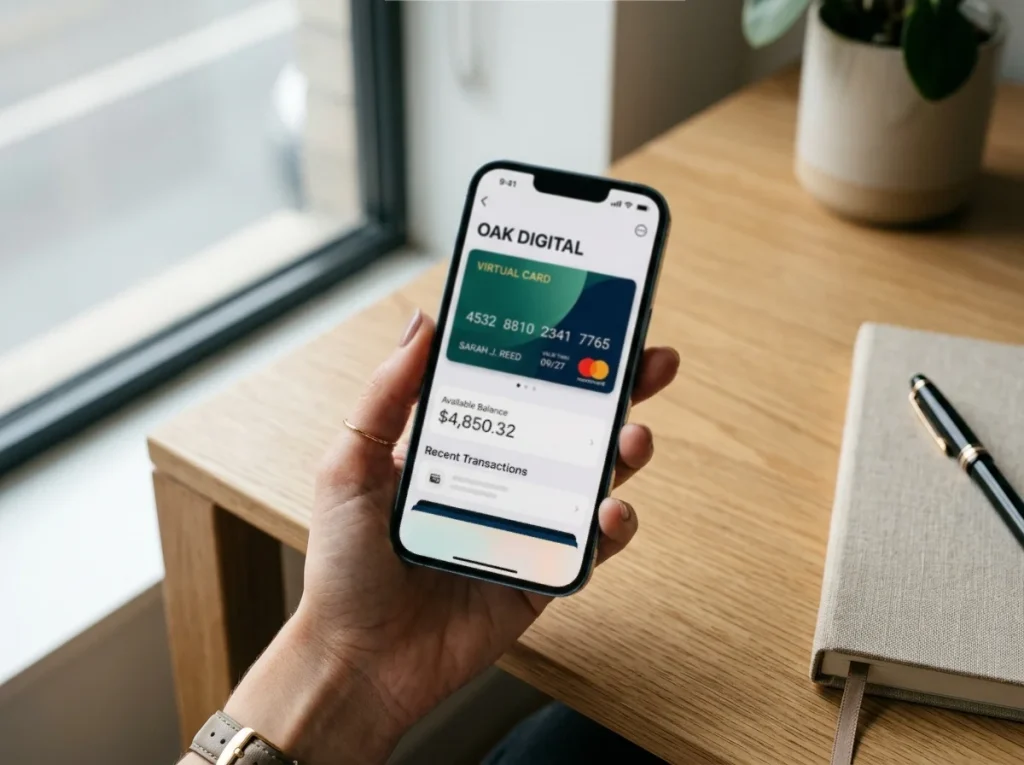
Virtual Card Utility: Enhancing Transaction Privacy
Of all the features inside the Payz product family, the virtual card is the one I see least often in client setups – and the one that quietly solves the most problems when it’s switched on. Single-use card numbers were once a fintech curiosity; they’ve become a standard privacy and fraud-defence tool everywhere else, and Payz had them years before most banks. Yet most casino players I work with don’t know the feature exists, let alone how to use it.
What's inside this guide
This piece is the walkthrough I wish I’d written two years ago. We’ll cover the difference between the virtual and physical Payz Mastercards, how to generate a single-use number for a one-off transaction, the casino-acceptance quirks that catch new users out, the fee structure (it inherits from your wallet tier, but with some specifics), and the privacy and fraud protection trade-offs that justify the modest extra effort.
Virtual versus physical: the same scheme, different use cases
Both the virtual and physical Payz cards are Mastercards issued by PSI-Pay, which has been a Mastercard Principal Member since 2009. That heritage matters – the cards are issued directly into the scheme rather than through a sponsor bank, which means scheme rules (like the £100 contactless ceiling) apply uniformly, but PSI-Pay controls the issuing flow end to end.
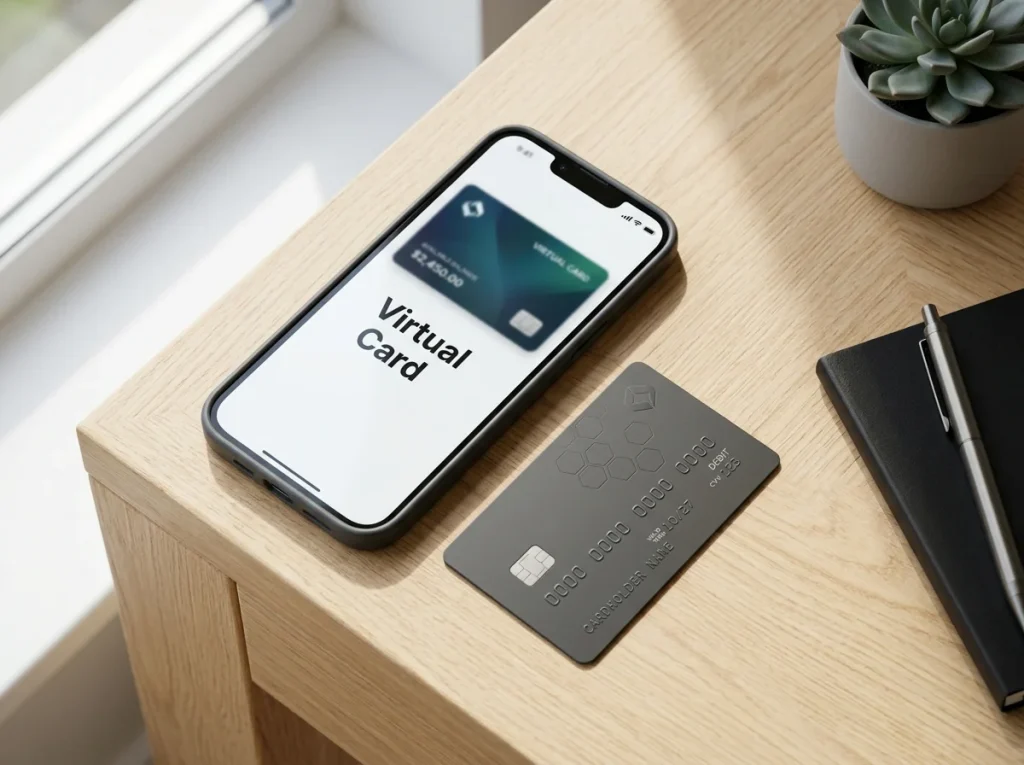
The physical card arrives by post, has a chip and contactless antenna, and works at ATMs, in shops and online. It carries a fixed card number for its lifetime – the same number every time you use it.
The virtual card has no physical form. It’s a 16-digit Mastercard number with an expiry date and CVV, generated on demand from inside your Payz account. It works online anywhere a Mastercard works, and it can be added to Apple Pay or Google Wallet for tap-to-pay. What it doesn’t do: insert into a card reader or contactless terminal on its own.
For casino-related use specifically, the virtual card matters in two scenarios. One: privacy – using a single-use number for an online purchase tied to a casino account, so the card number can’t be reused fraudulently later. Two: fraud isolation – generating a different number for each merchant, so a data breach at one site doesn’t expose your full card details across others. Both scenarios are increasingly relevant in 2026.
Generating a single-use card number
The flow is the same on the Payz app and the web dashboard, and it takes under a minute once you know where to look.
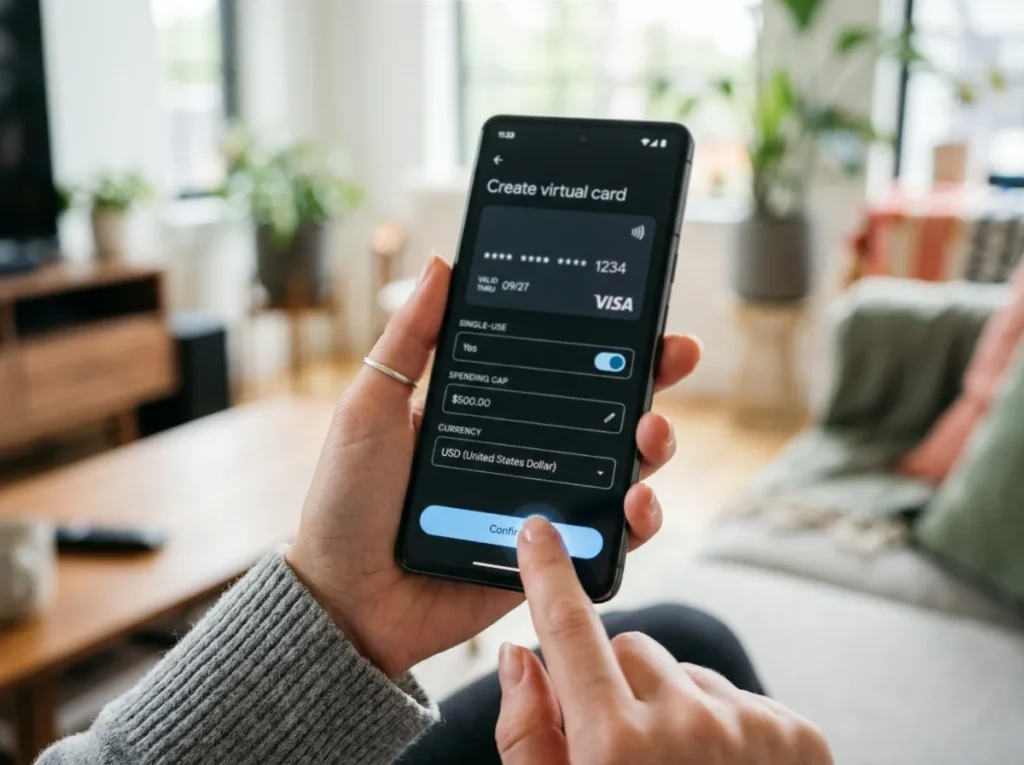
Inside your Payz account, open the cards section. You’ll see your physical card (if you have one) listed alongside an option to create a virtual card. Selecting “create virtual card” opens a dialogue asking for a few choices: the card’s lifetime (single-use, time-limited, or open-ended), the spending cap (a maximum amount the card can be charged), and the currency. Single-use cards expire after the first successful transaction; time-limited cards work until a date you set; open-ended cards stay valid until you manually cancel them.
For single-use casino-related purchases, the typical setup is: single-use, capped at the exact amount you’re spending, in the currency the merchant bills in. Once you confirm, the card details are issued instantly – a 16-digit number, an expiry date, a CVV. You copy these into the merchant’s checkout, complete the transaction, and the card auto-expires.
The card’s value comes from the limit being matched to a known cost. If you’re paying £45 for an online subscription, you cap the virtual card at £50. If the merchant tries to charge more than that – for any reason – the additional charge declines. The fraud surface is as small as you make it.
What this doesn’t do: hide your identity from the merchant. The card is linked to your verified Payz account, which is linked to your real name and address. Virtual cards are about transactional isolation, not anonymity.
Casino acceptance quirks
Most UK casinos don’t accept the Payz virtual card directly as a deposit method. They accept Payz the wallet. The virtual card is more often useful for transactions adjacent to casino activity – paying for a VPN, buying software, subscribing to a service – than for the casino deposit itself.
Where the virtual card sometimes does come into play at a casino: in countries or at platforms outside the UK where direct Mastercard deposits are accepted but e-wallet integrations aren’t. For UK-licensed casinos, the wallet integration is universal enough that the virtual card adds little.
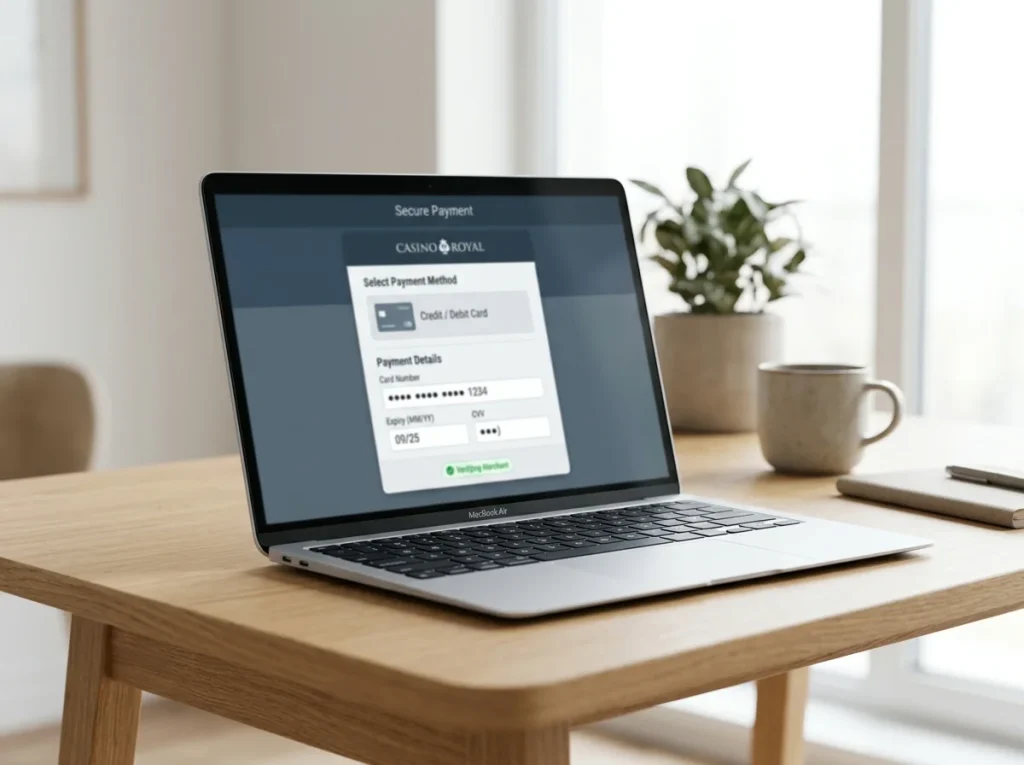
The casinos that do accept Mastercard deposits will accept a virtual Payz Mastercard the same way they accept any other Mastercard. The transaction looks identical at the cashier – a card number, expiry, CVV, and a 3D Secure challenge.
One specific quirk worth knowing: some operators block prepaid Mastercard BINs (the first six digits of the card number) for gambling deposits on AML grounds. PSI-Pay’s BINs are usually whitelisted at UKGC-licensed casinos that take Mastercard deposits, but the picture varies. If a virtual card declines on what looks like a clean transaction, BIN-blocking is the most likely cause.
Fees on virtual card transactions
The fee structure on the virtual card inherits from your Payz wallet tier. There’s no separate “virtual card fee” beyond what the wallet itself charges.
For sterling-to-sterling transactions where your Payz balance is in GBP, there’s no FX fee. The card draws from the GBP balance, charges in GBP, and the transaction completes at zero conversion cost.
For cross-currency transactions, the tier FX rate applies. Classic and Silver charge 2.99%. Gold drops to 1.49%. Platinum and True VIP land at 1.25%. A £100 cross-currency virtual card transaction at Classic costs about £3 in FX. The same transaction at Gold costs about £1.49. The arithmetic is identical to any other Payz transaction at the same tier.
Some tiers may charge a small per-issuance fee for generating a new virtual card – check the current Payz fee schedule before relying on free issuance for high-frequency use. Single-use generation isn’t free in every market, even though the marketing material sometimes implies it is.

Cancelling an unused virtual card is free. There’s no penalty for generating a card you decide not to use, beyond the issuance fee (if any) being non-refundable.
Privacy and fraud-protection trade-offs
The privacy gain from virtual cards is real but specific. You’re not anonymous to the merchant – they see your billing name and address. You are protected against the specific failure mode of “merchant breach exposes your card to fraud across the rest of the internet.”
Single-use cards make that failure mode mathematically impossible. Even if the merchant stores the card details insecurely and they leak the next morning, the card has already auto-expired by the time anyone could try to use it elsewhere. That’s a meaningful protection in a world where breach disclosures lag the actual breach by months.

Where virtual cards don’t help: chargeback claims. Disputing a virtual card transaction works the same way as disputing any prepaid Mastercard transaction – through PSI-Pay’s dispute process, against the merchant. There’s no card-issuer chargeback in the high-street-bank sense because PSI-Pay is the issuer.
For casino-related use specifically, virtual cards are less about chargeback and more about minimising the digital footprint of each transaction. Combined with a properly tier-set Payz wallet, they form a clean payment hygiene layer. The other side of that layer – pulling winnings out of Payz back into cash – sits with the physical Mastercard, which I cover in detail in my guide to using the Payz Mastercard for UK casino withdrawals.
Does the casino see only the virtual card number or also my underlying Payz account ID?
The casino sees only the virtual card number, expiry and CVV – same as it would for any Mastercard. Your underlying Payz account ID is not transmitted. That said, the billing name and address on the card match your verified Payz profile, so the identity link is preserved even though the card-level details are isolated.
Can I use a virtual single-use card to claim a welcome bonus normally restricted for e-wallets?
Sometimes, but increasingly rarely. Casinos that block e-wallet bonuses on the basis of the wallet integration may not block a Mastercard transaction at all. Casinos that block on BIN (first six digits of the card number) will spot a PSI-Pay-issued card and apply the same exclusion. Check the bonus terms before depositing – the exclusion clause language usually clarifies which mechanism is in use.
ecoPayz Casino Articles: UK Market Trends and Payment Data
Created by the "Ecopayz Casino UK" editorial team.