
ecoPayz Casino Minimum Deposit: UK Funding Limits
 Available in GB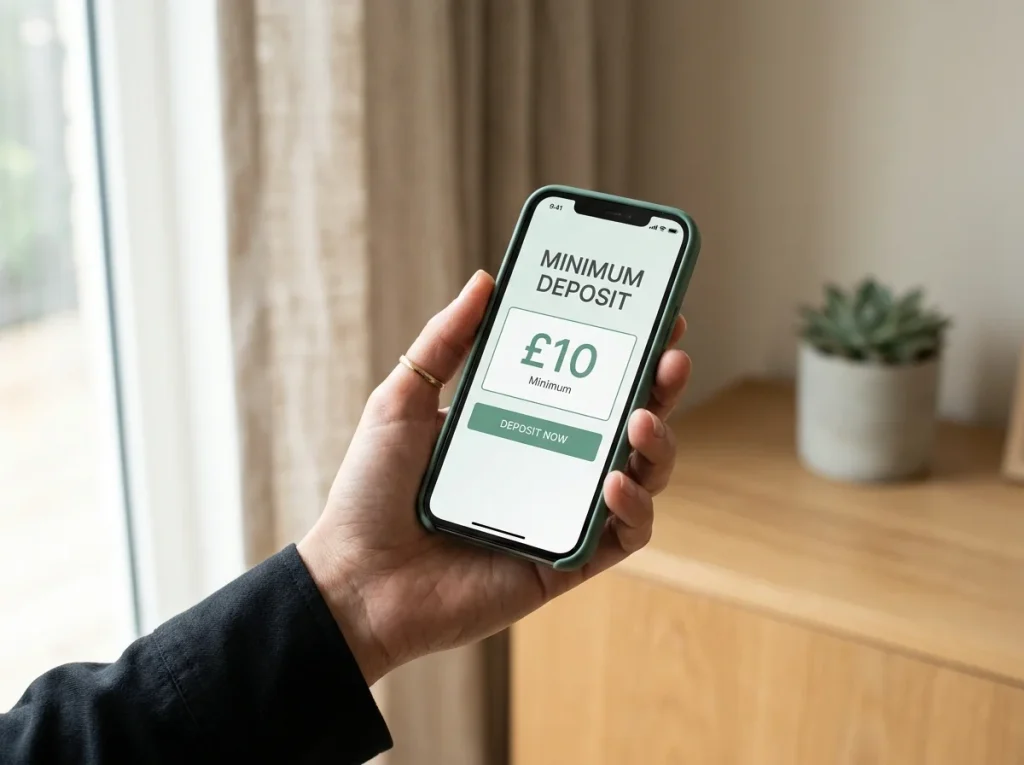
Minimum Thresholds vs Practical Deposit Limits
A reader sent me a screenshot last month. A UK-licensed site advertised a £5 minimum deposit on its home page, the cashier accepted the £5 figure, and the Payz transaction completed. The funds never arrived. After two emails the operator confirmed the actual floor for that specific payment method was £10, but the cashier never showed that until after the failure.
What's inside this guide
This sort of mismatch happens often enough that I now treat “minimum deposit” as three separate numbers stacked on top of each other. The headline marketing figure is one. The cashier’s per-method threshold is another. And the wallet’s own outbound limit is the third. The UK online gambling market generated £5bn in gross gaming yield in FY23/24 inside a broader £15.6bn industry – when UKGC chief executive Andrew Rhodes spoke about that scale, he was describing a market where micro-stake players matter to volume, which is why operators publish enticing minimums while quietly enforcing higher ones for specific rails.
Where the published minimum actually lives
Most UK casinos publish a single headline minimum, often £5 or £10, on their banking page. That number is what the regulator and the comparison sites see. The fine print is buried somewhere else – the help centre, the bonus terms, or a tooltip inside the cashier that only appears once you’ve selected Payz as your method.
The minimum is set by the operator, not by Payz. Payz allows transfers from £1 in principle on Classic accounts, but UK casinos almost universally set their own floor above that, because processing a 50p deposit costs more in payment-gateway fees than the deposit itself generates. The result is a layered system where the wallet says yes, the casino says no, and the player gets a vague “transaction not permitted” message that explains nothing.
Within the operator side there’s a further split. Some sites use a global minimum across every method. Others tier the floor by rail – debit card £5, Payz £10, bank transfer £20. Pay-by-mobile sites often sit at £3. The logic isn’t always pricing; sometimes it’s risk-weighted, with e-wallets carrying a higher floor because their KYC chain has more hops.
Typical UK minimums by operator band
I keep a rough mental map of three operator bands and their Payz minimums, refreshed every few months from my own deposit tests.
The mass-market band – large operators with TV advertising, household-name sportsbooks, established casino brands – clusters at £10 for Payz. A handful sit at £5 if you push through the right menu. The £10 figure isn’t arbitrary; it’s where the unit economics of a deposit, including AML monitoring overhead and bonus-abuse screening, start to break even for the operator.
The mid-tier band – smaller licensed casinos, often white-label brands sharing a back-end platform – runs the full range. Some go to £5 on Payz, some to £10, a few to £20. The variance reflects platform defaults more than operator strategy. If three sites all use the same casino software and the same payment aggregator, they tend to share a minimum because nobody overrode it.
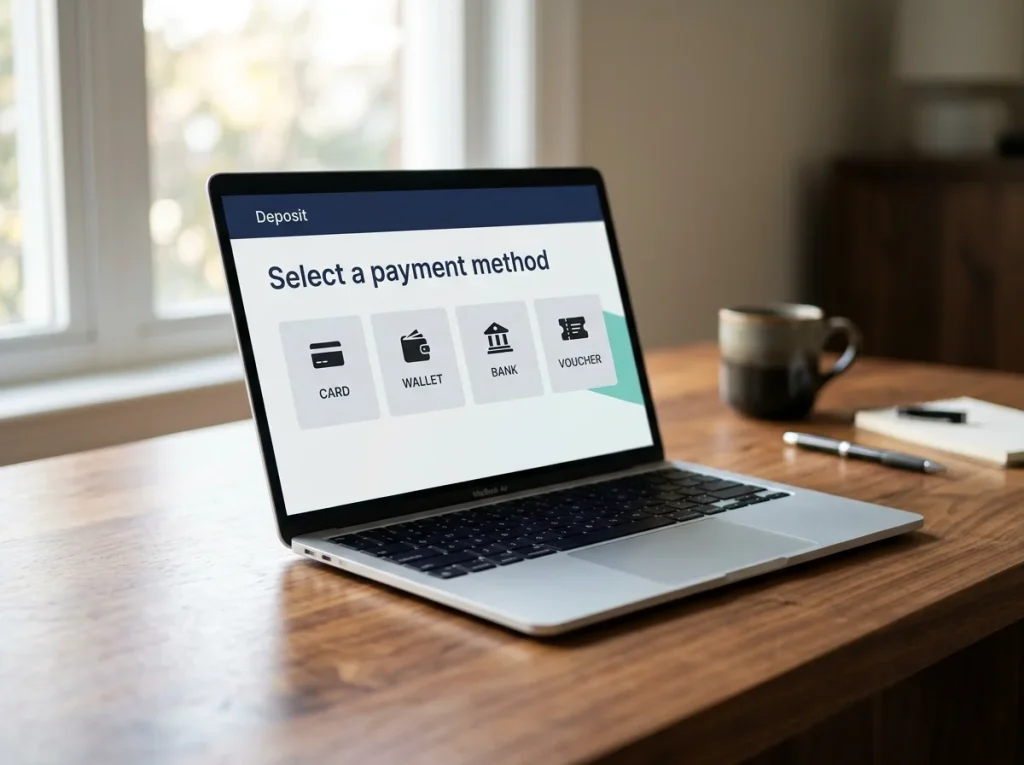
The micro-stake band – sites specifically marketing low-deposit play – pushes Payz minimums down to £5 and occasionally £3. These operators chase volume from casual players. They tend to be honest about the number on their banking page because the low minimum is the marketing proposition. The catch is usually elsewhere: tighter withdrawal floors, slower KYC, or restrictions on bonus eligibility for small deposits.
Bingo sites sit in their own category. The traditional bingo £5 minimum is institutional. Even bingo operators that have added casino sections often keep the £5 floor across both, which makes them an unusual route into Payz casino play for someone who wants to stake small.
Payz-side minimum vs casino-side minimum
The wallet’s own outbound transfer minimum on a UK Classic account is £1. Practically nobody hits that floor through a casino cashier because no UK operator I’m aware of accepts £1 deposits. Where the Payz minimum matters is in the reverse direction – funding the wallet itself. If you’re topping up Payz with a £5 bank transfer to then deposit £5 at a casino with a £5 floor, you’re at the edge of every constraint at once. Any small friction – a rounding difference, a pending fee, an FX adjustment – drops you below the threshold and the deposit fails.
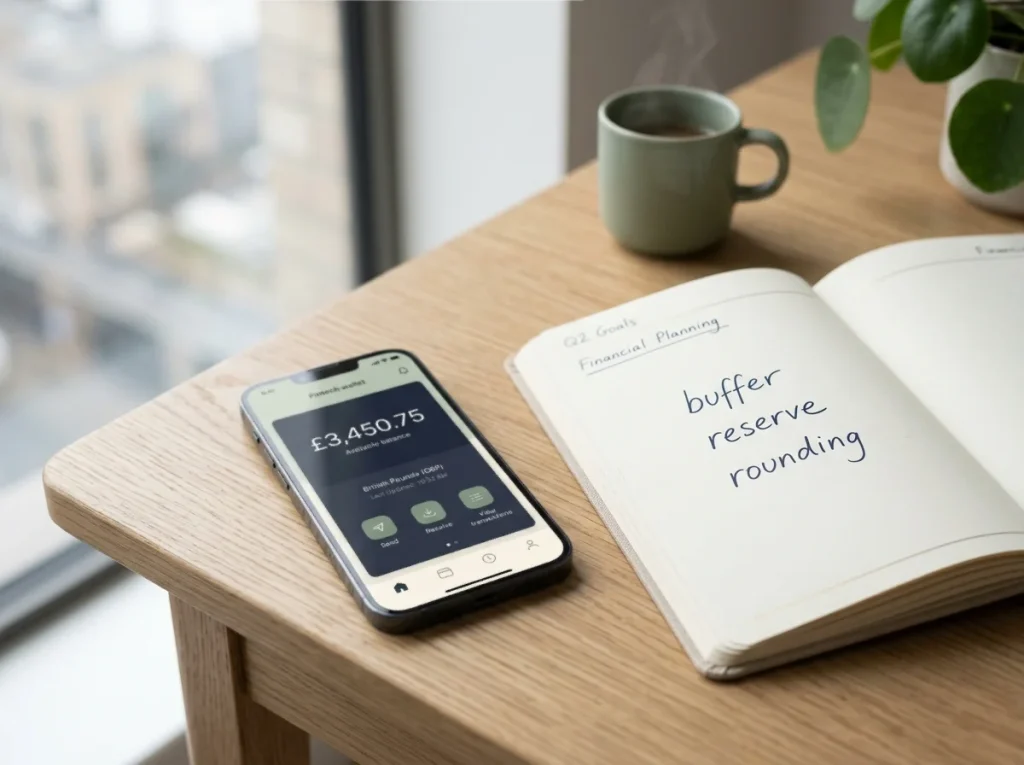
The recommended buffer is to fund the wallet with £10-£15 above whatever you plan to deposit, leaving headroom for currency rounding and any reserve the casino places on a pending transaction. This isn’t a Payz peculiarity; the same advice applies to any wallet-to-casino flow. But Payz specifically has an FX layer that can shave 30-40p off a £10 transfer if your account currency doesn’t match the casino’s processing currency, which is enough to fail a £5 minimum.
Low deposits and FX-fee friction
The Classic-tier FX rate of 2.99% is the silent tax on small-deposit Payz play. On a £100 deposit it costs you £2.99 – irritating but proportional. On a £10 deposit it costs you 30p, which is 3% of your stake before you’ve placed a single bet. On a £5 deposit it’s 15p, which sounds trivial until you compound it across a session of redeposits.
The FX layer only activates when there’s a currency mismatch. If your Payz balance is in GBP and the casino processes in GBP, there’s no conversion and no fee. The mismatch tends to appear when players have funded the wallet from a non-GBP source, kept a balance in EUR for sportsbook accounts on European-licensed sites, or used a Payz Mastercard internationally and left the residual balance in another currency.

For small-deposit Payz play I push readers towards keeping a dedicated GBP balance segment inside the wallet specifically for UK casino use. Payz allows multiple currency holdings inside one account; the friction is the manual conversion you do once, on your terms, rather than letting the casino trigger an automatic one at the operator’s reference rate. The full mechanics of how the Classic tier handles limits and FX at small deposit sizes walks through this in more depth.
How the stake-cap raised the practical minimum
The £5 per-spin stake-cap from 9 April 2025, and the £2 cap for 18-24-year-olds from 21 May 2025, didn’t directly change deposit minimums. But they changed the maths of what a small deposit can do, which in turn shifted how operators position their floors.
Before the cap, a £5 deposit could feed two or three high-volatility spins at £2-£3 each and either go bust quickly or hit a feature buy. The deposit’s lifetime was short either way. Under the £5 cap a £5 deposit gives you exactly one spin at maximum stake on the regulated slot library. Under the £2 cap for younger players it gives you two spins. Operators noticed this almost immediately. Some kept their £5 minimums but pushed players towards £10-£20 starting deposits through default selection buttons. Others didn’t touch the floor but tightened bonus-eligibility thresholds, so a £5 deposit no longer qualified for the welcome match where a £10 deposit did.
The net effect is that the published Payz minimum on a UK casino is increasingly a notional figure. The deposit will go through at £5. What it unlocks – bonus eligibility, withdrawal speed, KYC priority – is calibrated to a higher number now. For players who genuinely want to micro-stake, the £5 deposit still works, but you’re playing without the surrounding scaffolding that the operator built for the £20-and-up cohort.

Picking a sensible Payz deposit floor for your own play
My working rule for new readers is to set their personal Payz deposit minimum at twice the operator’s stated floor. If the cashier shows £5, deposit £10. The reason isn’t fee aversion – it’s friction tolerance. A £10 deposit on a £5-minimum operator gives you headroom for one bad spin, one currency-rounding hiccup, or one customer-service mistake without cratering the session. A £5 deposit at the exact threshold gives you none of that, and the time you’ll spend re-funding after a failure is worth more than the marginal capital efficiency.
If you’re genuinely capital-constrained and £5 is your real limit per session, the operator selection matters more than the wallet does. Sites with a £5 minimum that’s been £5 for years tend to have built their stack around small deposits and they handle them gracefully. Sites that recently lowered to £5 to chase post-cap traffic often still have the £10-deposit assumptions baked into their bonus engines and withdrawal queues. The wallet is the same. The receiving environment isn’t.

Why does a £5 minimum casino still reject a £5 Payz deposit sometimes?
The £5 figure is usually the operator"s headline minimum across all methods. The Payz-specific floor is often higher because of per-transaction processing economics on the e-wallet rail. Some operators also apply an FX-rounding reserve on Payz that pushes the effective minimum to £5.50 or £6, which the cashier doesn"t show until the transaction fails.
Does the £2 18-24 stake-cap effectively raise the practical minimum casino deposit?
It raises the practical floor for meaningful play rather than the deposit minimum itself. A £5 deposit at the £2 cap gives you two maximum-stake spins on regulated slots. Most younger players in that bracket end up depositing £10 or £20 to get a workable session length, even where the operator still accepts £5.
Can I deposit less than £5 by funding Payz with the exact amount I need?
The Payz outbound minimum is £1 on Classic tier, but UK casino floors are set independently and almost universally sit at £5 or above. Funding the wallet with exactly the deposit amount is risky because FX rounding or pending-fee reservations can drop the available balance below the casino"s threshold.
ecoPayz Casino Articles: UK Market Trends and Payment Data
Created by the "Ecopayz Casino UK" editorial team.