
ecoPayz Casino Welcome Bonuses in the UK: Where They're Available and Where They're Blocked
 Available in GB
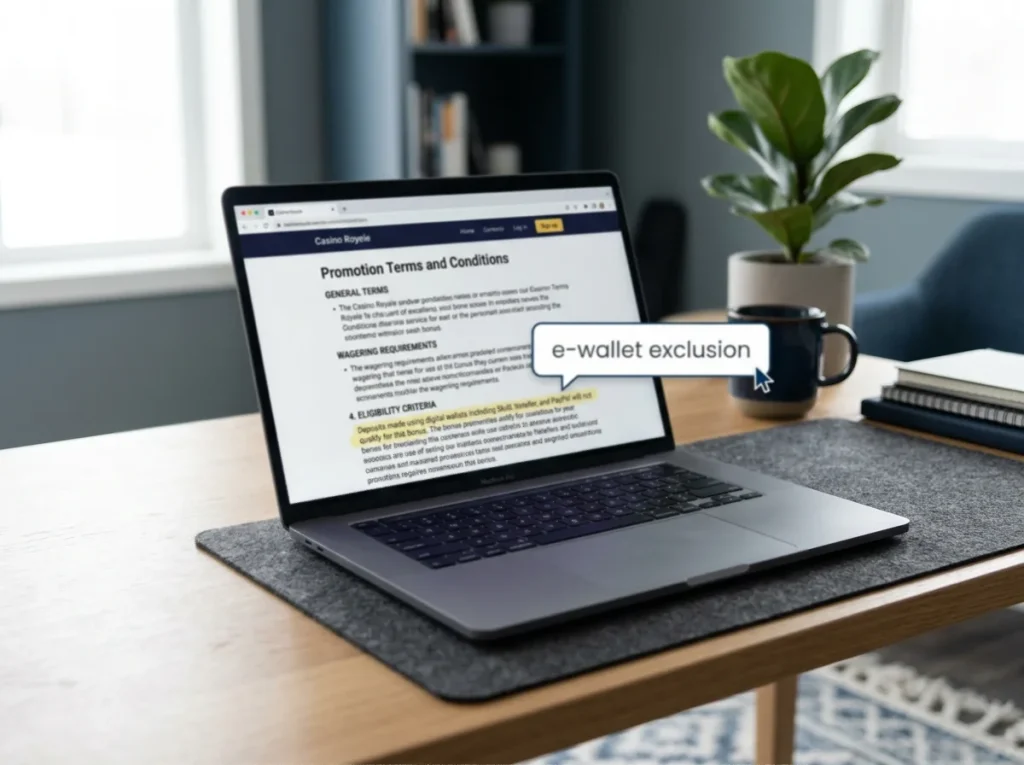
“E-wallets excluded” is the small print most players miss
One of the most common questions I see from new Payz users in the UK is some version of “why didn’t I get the welcome bonus?”. The answer is almost always the same – they used Payz to fund their first deposit, and the casino’s terms exclude e-wallets from welcome promotions. This isn’t hidden, exactly; the clause is usually in the bonus terms. But it sits in paragraph eleven of a thirty-paragraph document, and the cashier never displays it when you select Payz as your method.
What's inside this guide
Within an online gambling market generating £5.0bn in gross gaming yield in the UK during FY23/24, welcome offers are the single largest customer acquisition cost most operators carry. The exclusions that apply to e-wallet funding aren’t arbitrary – they’re a deliberate response to how bonus economics work on those rails. Understanding the logic helps you predict which operators will allow Payz bonuses and which won’t before you waste a first deposit.
Why some casinos block e-wallet bonuses
The “e-wallets excluded from welcome bonus” clause exists for two related reasons, and both have evolved out of operator experience rather than UKGC requirement.
The first reason is bonus abuse economics. E-wallets, including Payz, allow rapid account creation and rapid fund movement. Historically – going back to the period when bonus abuse was a measurable revenue drain on the casino sector – players who chained bonuses across multiple operators used e-wallets to move funds quickly between sites, claiming welcome offers serially. Operators responded by excluding e-wallets from welcome promotions, even though the typical Payz user has no interest in bonus chaining. The exclusion is broad-brush. It catches everyone using the rail, not just abusers.
The second reason is identity verification depth. A debit card deposit ties the bonus claim to a specific named cardholder, which the casino verifies through the card network. An e-wallet deposit ties to the wallet account, which the casino trusts but doesn’t directly verify. Operators concerned about multiple-account abuse – the same player claiming welcome offers under multiple aliases – see the e-wallet rail as harder to police even though Payz has its own KYC chain that’s equivalent in rigour.
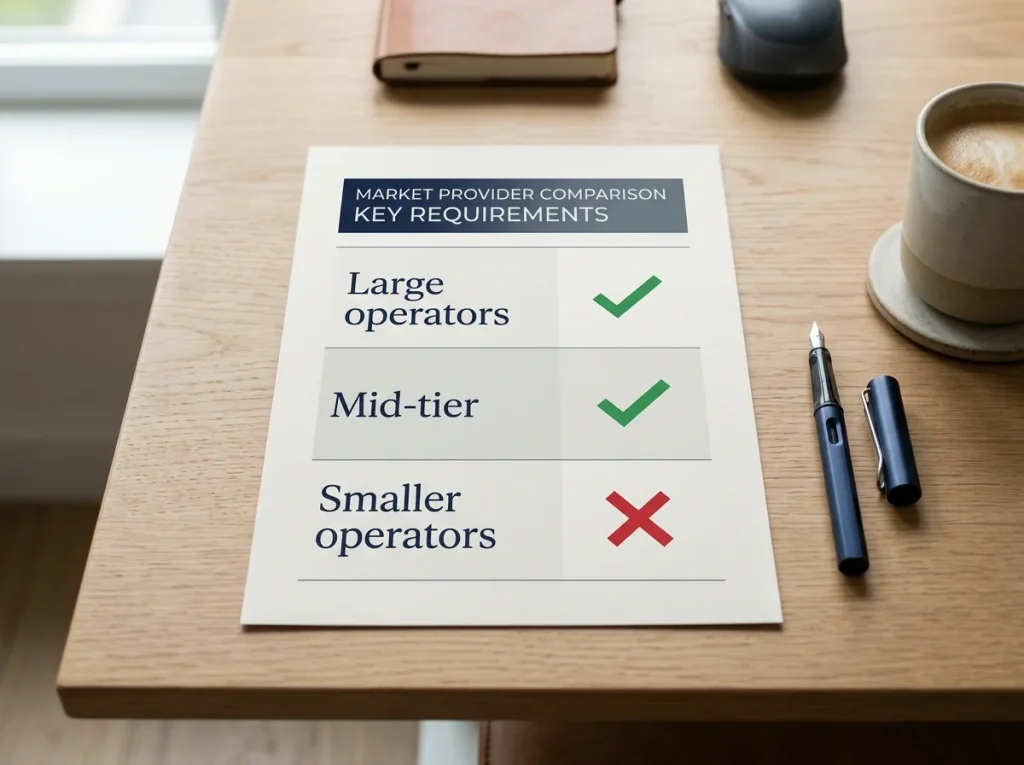
The pattern across UK operators is roughly split. Larger, more established brands tend to exclude e-wallets from welcome bonuses. Mid-sized and newer operators tend to include them, sometimes specifically marketing the inclusion as a competitive differentiator. The smallest operators usually allow them as a matter of platform default rather than deliberate strategy.
Our top casino picks for the UK
- BeOnBetBonus: 100% up to €500 + 100 FS · Payout speed: 1-3 business days
- WinBeastBonus: €5000 + 500 FS + €650 Freebet · Payout speed: 1-3 business days
- NightWinBonus: £900 + 400 free spins · Payout speed: 1-3 business days
- JetsetspinsBonus: 200% Bonus + 100 Free Spins + Free Royal Wheel · Payout speed: 1-3 business days
- DieselwinBonus: Welcome Pack 250% up to £4000 + 200 FS · Payout speed: 1-3 business days
- EvoSpinBonus: 125% up to €2500 + 125 Free Spins · Payout speed: 1-3 business days
- SpinFormulaBonus: 550% Up To £15,000 + 550 FS · Payout speed: 1-3 business days
- Revery PlayBonus: 100% up to€1,000+ 100 FS · Payout speed: 1-3 business days
Typical wagering terms on Payz-eligible offers
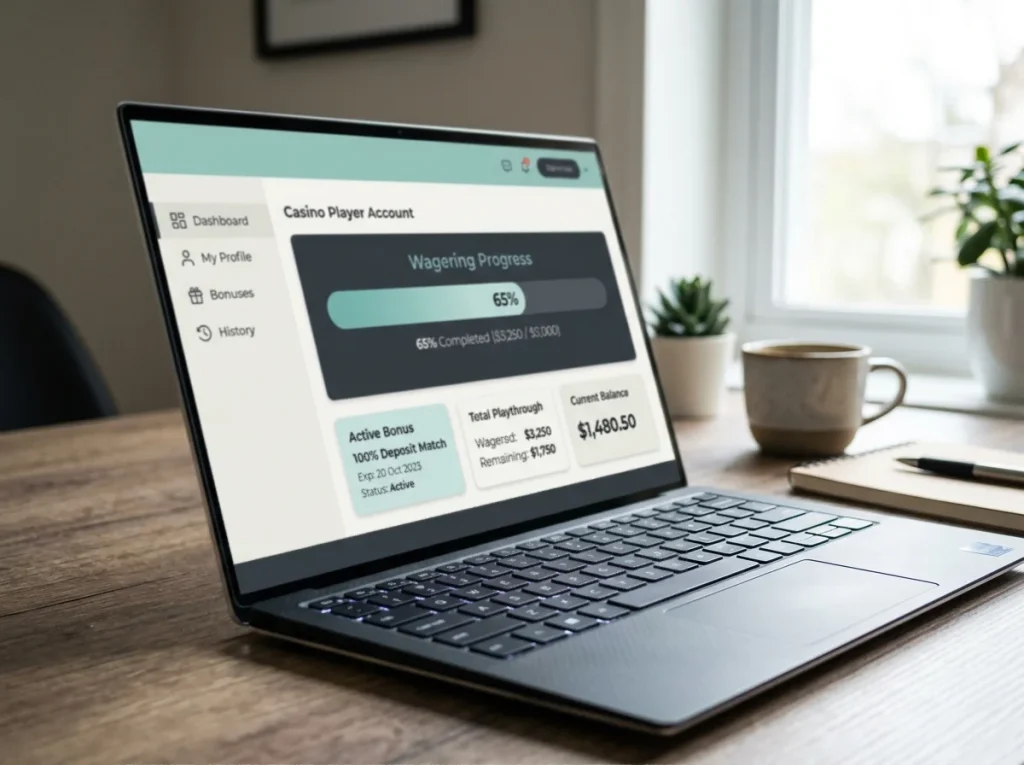
When Payz is included in a welcome offer, the wagering terms tend to be slightly tighter than equivalent offers for debit-card users. The difference isn’t always large but it’s worth knowing.
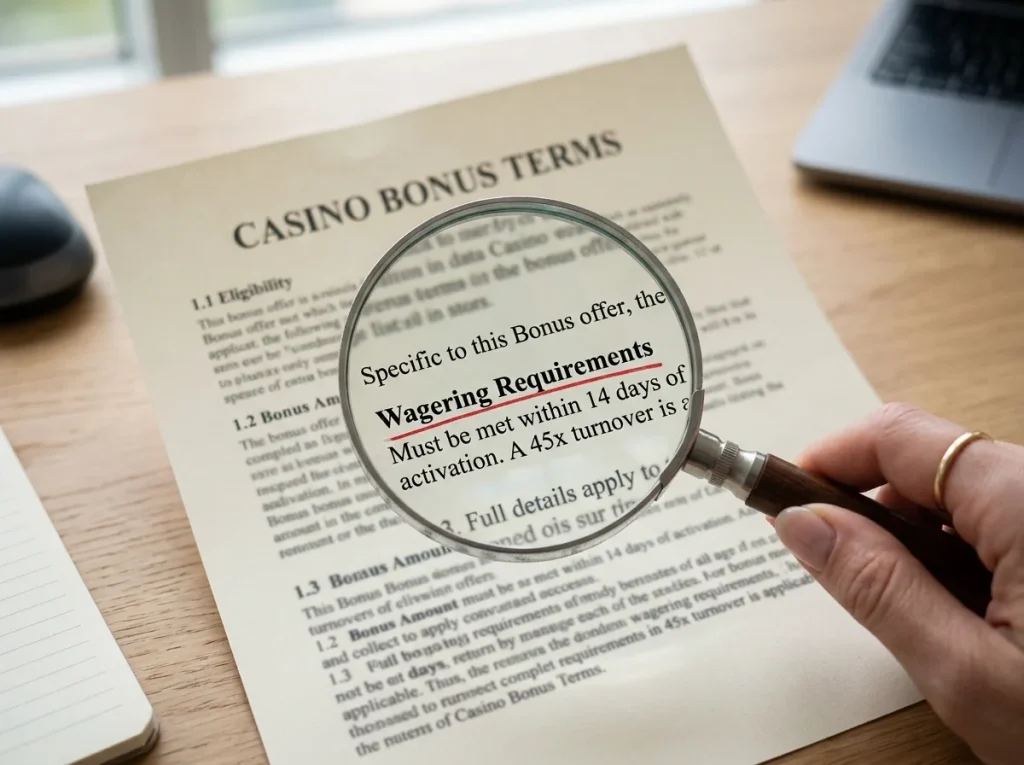
A typical UK welcome match for debit-card users sits around 35x wagering on bonus funds, with a 7-30 day window to clear. Payz-eligible versions of the same offer often run at 40x wagering, or sometimes 35x with a tighter window of 7 days versus the card’s 30. The economic effect is similar to a slightly lower-value bonus, because higher wagering with the same nominal bonus amount reduces expected value.
Maximum stake during bonus play is another lever. Operators sometimes apply a £4 or £5 maximum stake during bonus wagering for all funding methods, but a few apply a lower cap specifically to e-wallet bonuses – £2.50 or £3, which extends the time required to complete wagering. These differences are buried in bonus terms and rarely surfaced at the cashier.
Game contribution percentages occasionally differ as well. Slots contribute 100% across the board at most operators. Some restrict table-game contribution for e-wallet bonuses to 5% versus 10% for cards. This rarely matters for slot-focused players but materially affects anyone who likes to clear bonuses on roulette or blackjack.
Casino bands that do allow Payz bonuses
The operator bands where Payz bonuses are most consistently allowed are mid-tier and newer operators, particularly those launched after roughly 2023. These platforms have built their compliance and bonus-abuse detection from the ground up rather than retrofitting policies onto older systems, and the modern detection approach generally doesn’t require blunt e-wallet exclusion.
Within the £5.0bn UK online GGY market, mid-tier operators have a particular incentive to differentiate on payment-method flexibility. The largest operators don’t need to compete on this lever because they have brand recognition and marketing budgets that don’t depend on Payz inclusion. The mid-tier sees Payz inclusion as a way to capture e-wallet-preferring players who’d otherwise default to a larger competitor.
Bingo-attached casino sections are a quieter pocket where Payz bonuses tend to survive. Bingo as a vertical has always had higher tolerance for low-deposit, low-volume players, and the casino sections of bingo operators inherit that tolerance. The welcome offers there are usually smaller in absolute size than mainstream casino offers but more often available to e-wallet users.
Live-dealer-focused operators are another pocket. Because live tables run on third-party studio infrastructure rather than the casino’s own slot library, the bonus economics are different and the e-wallet exclusion logic doesn’t apply as cleanly. Operators with a live-dealer focus more often allow Payz on welcome offers.
Terms traps to watch
Three traps catch Payz users more often than the average bonus claimant. The first is the funding-method match clause. Some bonuses require the same funding method to be used for the deposit and the eventual withdrawal – if you deposit via Payz, you must withdraw via Payz. This sounds fine until you realise it locks you out of any other withdrawal route, including the Payz Mastercard if you’d been planning to use that.
The second trap is the minimum-deposit-for-bonus clause. The casino may have a £5 minimum deposit but a £20 minimum to qualify for the welcome match. A £5 Payz deposit will be accepted, the cashier will not warn you, and the bonus won’t trigger. The casino isn’t being dishonest, but the cashier and the bonus terms are typically built by different teams and don’t always cross-reference.
The third trap is the wagering-from-real-funds clause. Some bonuses require wagering to be completed from real funds first, and only then from bonus funds. Others reverse the order. This matters for Payz users because failed wagering attempts forfeit the bonus, and the order in which the casino consumes funds determines whether you can withdraw any real-money balance once you walk away from the offer. Always read the order-of-spend rule before depositing into any matched offer.
How the stake-cap reshaped bonus rollovers
The £5 per-spin stake-cap on online slots from 9 April 2025, and the £2 cap for 18-24-year-olds from 21 May 2025, changed bonus economics in ways that are still working through operator pricing. The cap reduced the maximum spin value, which directly extends the time required to clear any given wagering requirement.
Before the cap, a player working through 35x wagering on a £100 bonus needed to wager £3,500. At unlimited slot stakes they could clear this in 700-1,000 spins. Under the £5 cap they need at least 700 spins at maximum stake. Under the £2 cap they need at least 1,750 spins. The wagering requirement didn’t change. The time to clear it did.
Operators responded in three ways. Some kept their wagering multipliers but reduced bonus values, so the absolute wagering target stays manageable. Some kept bonus values but lowered multipliers from 35x to 25x or 30x to match the new spin economics. Some kept everything the same and accepted that bonuses now take longer to clear, on the assumption that the longer engagement is itself valuable. The result is a market with much wider variation in bonus value than existed two years ago, and an even stronger reason to read terms carefully before committing a first deposit. The mechanics around no-deposit offers in particular have shifted further, and the changes there are worth a separate read in the breakdown of Payz no-deposit bonuses at UK casinos.

Does using ecoVoucher instead of a Payz balance bypass the "e-wallet excluded" bonus clause?
At most operators no, because ecoVoucher is part of the Payz ecosystem and falls under the same exclusion in the bonus terms. A small number of operators treat ecoVoucher as a separate prepaid method outside the e-wallet category, but you should check the specific bonus terms rather than assuming.
Why do some UK casinos pay the bonus to a Payz user but withhold the cashback portion?
Cashback is often classified separately from headline bonuses in operator terms, and some operators apply e-wallet exclusions only to cashback rather than to the main welcome offer. The clause is usually in the cashback-specific terms rather than the general bonus terms.
Are wagering requirements measurably tighter on Payz-eligible welcome offers?
On average yes, by a small margin. Typical differences run 3-5x higher in wagering multiplier, or 1-2 weeks shorter in the wagering window, compared with equivalent debit-card offers. The differences are visible in terms but rarely highlighted at the cashier.
ecoPayz Casino Articles: UK Market Trends and Payment Data
Written by the editors at Ecopayz Casino UK.