
ecoPayz Instant Withdrawal Casinos: Fast UK Payouts
 Available in GB
Realistic Processing Times vs Casino Payout Claims
A reader timed three Payz withdrawals from the same UK casino in the same week. The first credited his wallet in 47 minutes. The second took six hours. The third sat in pending review for 38 hours before clearing. None of the three were flagged as unusual by the operator. The casino’s marketing page described its Payz withdrawals as “instant”.
What's inside this guide
That’s the word doing the heavy lifting in this category. “Instant withdrawal” is a marketing phrase that hides a much more granular set of stages, only one of which is genuinely instant. Understanding which stage is fast and which is slow is the difference between a usable cashier flow and a frustrating one. The UKGC has shown its appetite for enforcing on social-responsibility lapses, with thirteen public actions between May and December 2025 totalling more than £50m in fines, and several of those touched on withdrawal-side controls that operators now apply more thoroughly than they once did.
To guarantee rapid cashouts without unnecessary delays, completing the ecoPayz casino KYC verification process is an absolute requirement for all British players.
What “instant” actually means in UK gambling
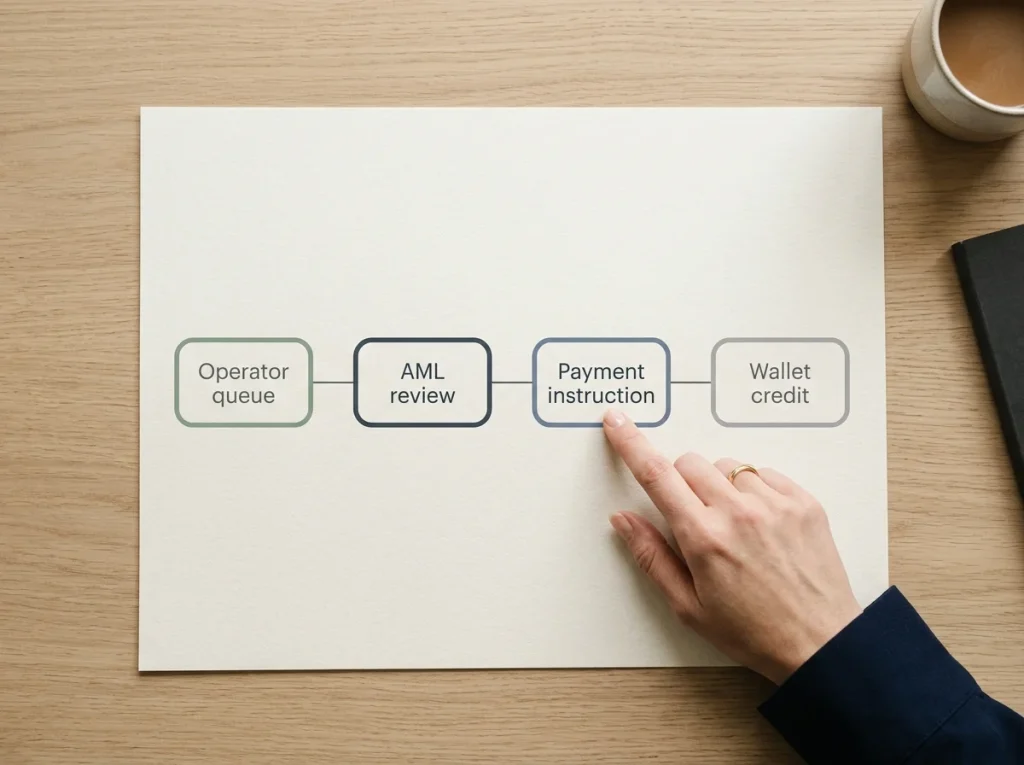
The journey from clicking “withdraw” to seeing money in your Payz balance has four sequential stages, and each one has its own duration. Marketing copy typically describes the last stage and calls the whole thing instant.
Stage one is the operator’s internal queue. Your request enters a list of pending withdrawals. Some operators auto-approve below a certain threshold; most route every withdrawal through manual review at some level, even if it’s just an automated risk check. This stage takes between a minute and several hours depending on the operator’s staffing and your account profile.
Stage two is the social-responsibility and AML check. Anything that looks unusual – first withdrawal, sudden change in deposit pattern, new device, large amount relative to historical activity – triggers a human review. This is where the multi-day pending status comes from. The operator isn’t being obstructive; they’re working through a checklist the regulator effectively requires.
Stage three is the actual payment instruction sent from the casino’s payment gateway to Payz. This is the part that’s genuinely fast – usually under a minute, often under ten seconds. It’s also the part the marketing copy is describing when it says “instant”.
Stage four is the credit to your Payz balance. Payz processes incoming gambling withdrawals essentially in real time once the instruction arrives. So if you watch the wallet, you’ll see the balance jump within seconds of the casino sending the message. The full visible timeline depends entirely on stages one and two, which the casino controls.
What makes Payz faster on paper
Payz has a structural advantage in this category that doesn’t always translate into observed speed but exists nonetheless. PSI-Pay, the FCA-authorised firm behind Payz, supports a payment infrastructure designed to handle very high transaction volumes – the framework underpins roughly €3 billion in transactions across the broader ecosystem. That kind of throughput capacity means the wallet rarely becomes the bottleneck. When a withdrawal is slow, the slowness is almost never in stage three or four.
PSI-Pay’s total assets sit at £64.97m, with reserves held against customer e-money obligations. The practical effect for a casino withdrawing player is that the wallet has the liquidity to credit any reasonable withdrawal instantly without batching or end-of-day settlement. Some bank-rail withdrawals at UK casinos still settle in batches; Payz doesn’t.
There’s also a network-layer advantage. Casinos route Payz withdrawals through a payment gateway that has a direct API connection to PSI-Pay. Compare this to a Faster Payments withdrawal, which routes through the casino’s bank, then the UK retail banking network, then your bank. More hops, more places to slow down. Payz collapses that to two hops once stages one and two are cleared.

The casino review bottleneck
If you’ve ever waited overnight for a withdrawal that the operator described as instant, you were stuck in the review bottleneck. This is where most of the perceived slowness lives, and it has a regulatory provenance worth understanding.
The £650,000 fine on Videoslots Casino, announced in November 2025, was tied in part to social-responsibility and AML control gaps. The Gambling Commission’s response across the operator base since then has been a noticeable tightening of withdrawal-side checks. Casinos that were previously waving through small withdrawals on auto-approve are now routing more of them through manual review. Casinos that already had manual review are now spending more time on each one.
The patterns that trigger review are mostly predictable. First-ever withdrawal on an account, even after months of deposits. A withdrawal soon after a large win, particularly a feature buy on a slot. Deposits from multiple payment methods followed by withdrawal to one – a classic source-of-funds flag. A withdrawal that takes the lifetime balance to zero or near it. Activity that follows a pattern inconsistent with the player’s stated occupation, income range or stake history.
The reviews aren’t theatre. Operators are demonstrably losing seven-figure sums to the regulator for gaps in this exact area. So the rational behaviour from the casino is to slow down withdrawals that have any of these markers, even when the cashier still says “instant” because the marketing team hasn’t updated the page. The fact that a casino advertises instant Payz withdrawals tells you about stage three, not about stages one and two.

Tier and KYC prerequisites for speed
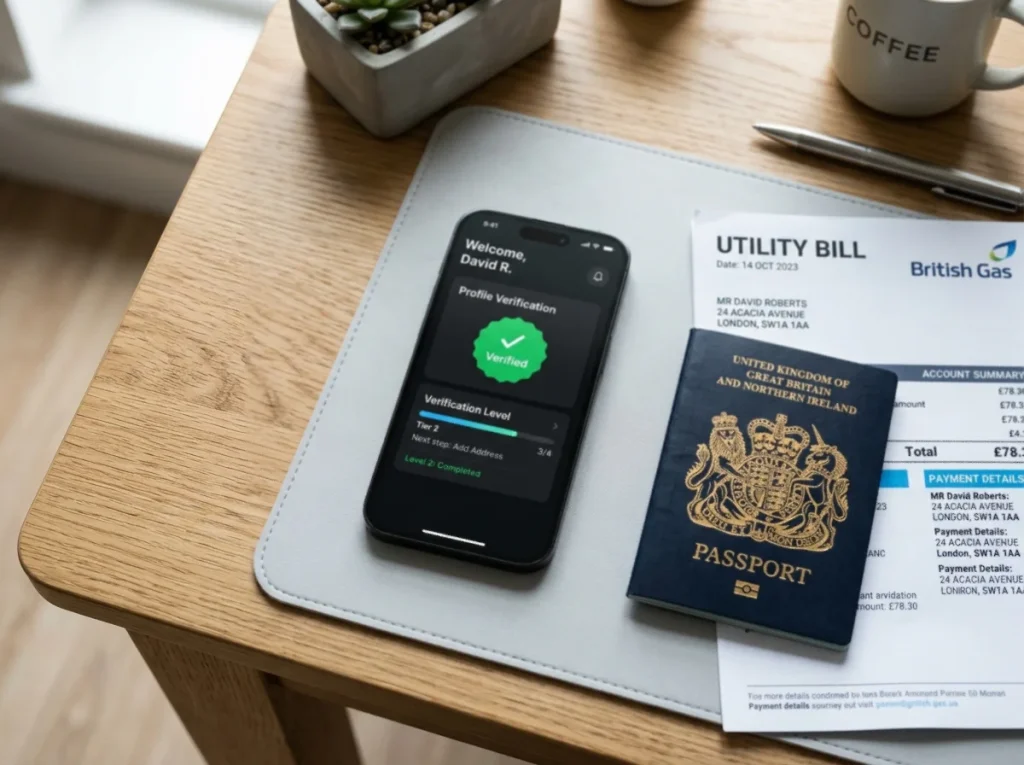
The fastest Payz withdrawals I see are on accounts where two things are true: full KYC has been completed before the first withdrawal request, and the Payz tier is at least Silver. Neither is strictly required, but both materially shift the timing.
Casino-side KYC has to be in place before withdrawal in any case under UK rules. The operators that handle this best ask for documents at registration or first deposit, so by the time you withdraw the file is complete and the only check left is the transaction itself. Operators that defer KYC to withdrawal time turn every first withdrawal into a 24-48 hour exercise no matter what payment method you’ve chosen.
The Payz tier matters less directly but still matters. A Classic account with no Mastercard, no transaction history above the basic threshold, and a balance that’s been swept clean by deposits looks thinner to an operator’s risk engine than a Silver account with a longer history and a verified card. Both can receive withdrawals legally. The risk engine treats them differently.
The cumulative effect of stacking these – full KYC at registration, Silver tier or above, an account history of at least a few weeks – is what turns the marketed “instant withdrawal” into something close to instant in practice. Without them, the same casino with the same payment method can take a full working day.
Mastercard vs balance payout routes
Payz offers two destinations for withdrawn funds: the wallet balance itself, or the linked Payz Mastercard for accounts that hold one. The timing differs.
Balance withdrawals are the fast route. The casino sends the payment instruction, Payz credits the balance, and the money is available for further transactions inside the Payz ecosystem within seconds of the instruction landing. If you’re going to redeposit, transfer to another Payz user, or hold the money in the wallet, this route is genuinely fast end to end.
Mastercard withdrawals – where the money goes to the card balance for ATM or POS use – sit slightly differently. The credit to the card account often appears instantly, but the funds are subject to standard card-issuer settlement timing for some downstream uses. ATM withdrawal up to the daily €750 limit usually works immediately; some merchant payment systems hold the credit for one to two business days as a fraud-control measure unrelated to either Payz or the casino. The most reliable approach for a player who wants the money out of the wallet entirely is to withdraw to balance first, then send to the card from balance, separating the casino-to-wallet leg from the wallet-to-card leg. The mechanics of the card itself and its constraints are covered in the breakdown of where Payz casino withdrawal delays actually accumulate.
Find the fastest paying operators currently available on the Ecopayz Casino UK homepage.
Can a UK casino legally advertise "instant" if KYC adds a 24-hour hold?
The Advertising Standards Authority has taken issue with "instant" claims that don"t match observed timing, but operators retain leeway when the delay is regulator-mandated. Most casinos qualify the claim in their terms with phrases like "subject to security checks", which technically aligns the advertised speed with the wallet-leg only rather than the full process.
Is the Mastercard payout route ever instant, or always next business day?
The credit to the card balance is usually instant. The downstream availability for some merchant uses can take one to two business days because of card-network fraud screening rules unrelated to Payz. ATM access at the daily limit works immediately in most cases once the credit lands.
What"s the fastest realistic Payz casino withdrawal for a UK player?
With full KYC completed in advance, a Silver tier or higher Payz account, an established casino history and a withdrawal that doesn"t trigger any AML flags, sub-hour clearance is achievable. Around three to six hours is more typical even on operators that market instant withdrawals.
ecoPayz Casino Articles: UK Market Trends and Payment Data
Created by the "Ecopayz Casino UK" editorial team.